The active role of female vaccinators in the polio vaccination campaigns in Herat
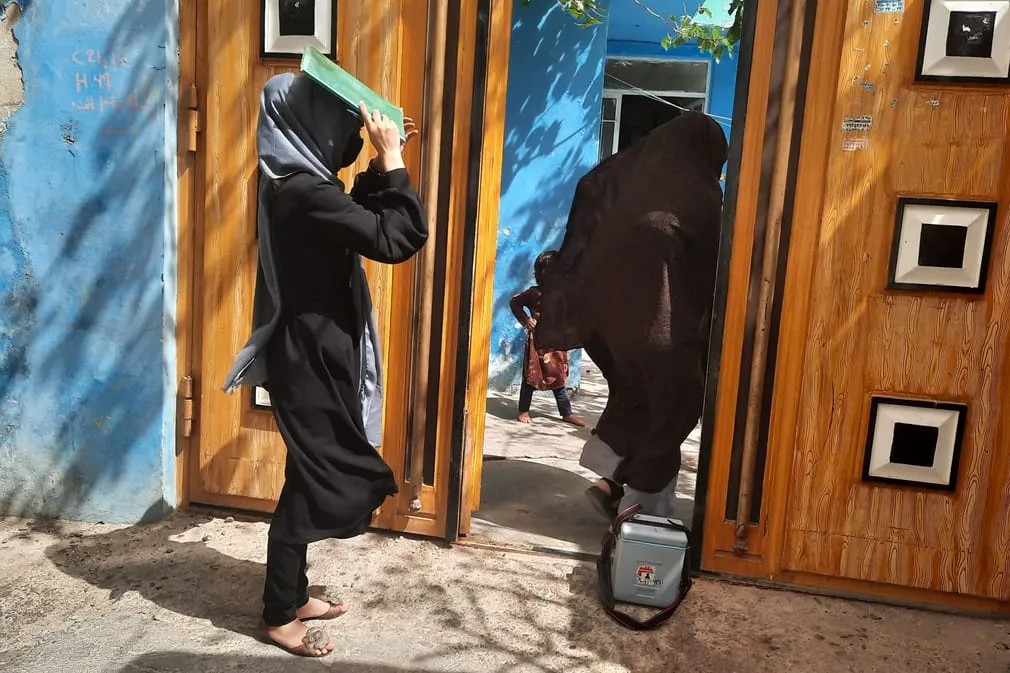
Herat, Afghanistan: Salima Rasuli, the 18-year-old female vaccinator knocks on the red color door of a house in Herat city and asks the parents to bring their children outside for two-drop of polio vaccine.
The vaccinator is wearing a black dress, a blue scarf, and a black mask while carrying the vaccine carrier box. She follows children from street to street to ensure they don't miss polio vaccination.
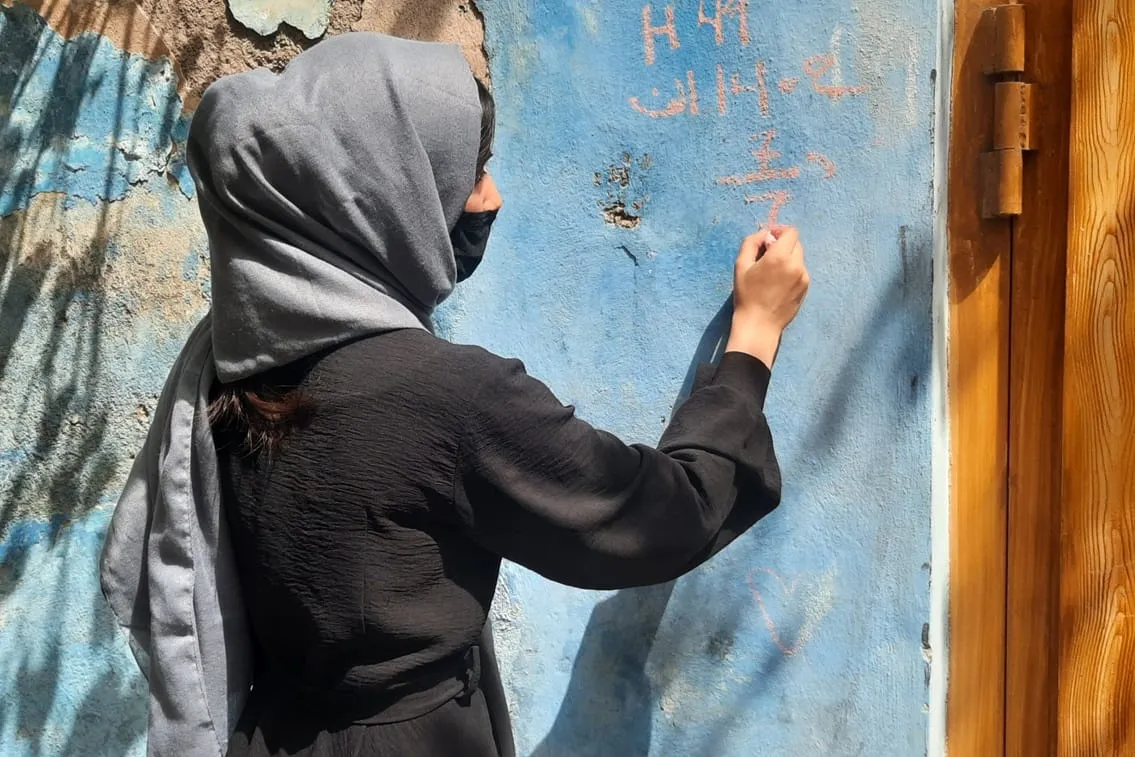
Salima’s wants to ensure that no child in the areas under her responsibility is deprived of the polio vaccine.
She said, “I myself have a lttle sister and brother. I consider every child my brother and sister. I visit homes and vaccinate all children under the age of five. If a child is absent somewhere with their family, I re-visit the house to ensure all absent children receive the polio vaccine.”
She emphasises the importance of vaccination and does not want poliovirus to attack any child.
She expressed, "If a child misses the polio vaccine, it threatens the lives of all the children in the community. In the areas under my responsibility, no child should miss the polio vaccine. I visit each houses to all ensure children are vaccinated, in any way possible."
According to Salima, some families refuse to vaccinate their children. However, she and her colleagues engage in conversations with the elders of the refusal families to persuade them to vaccinate their children under the age of five.
The residents of Herat welcome and appreciate the efforts of female vaccinators.
55-year-old Halimah, the grandmother of three children, brought her grandchildren to the front of the house, where they were given two drops of polio vaccine by female vaccinators.
She said that compared to male vaccinators, she is more comfortable with female vaccinators. The female members of families can comfortability communicate with the female vaccinators and they are allowed to enter to the houses to vaccinate children.
She added, "It is not easy to talk to male vaccinators, nor we can bring the children to them for vaccination because the men of our house do not allow females to speak with male vaccinators. However, we have no problem with female vaccinators."
She mentioned, "I am happy that female vaccinators vaccinate my grandchildren in every polio vaccination campaign. The polio vaccine protects our children from polio and disability, and ensures their bight future."
She urged all mothers to vaccinate their children during each campaign to protect them from the perilous polio disease.
The Public Health Directorate of Herat reports that 95 percent of polio vaccinators in all polio vaccination campaigns are female in Herat city.
Dr. Muhammad Asif Kabir, the deputy director of this directorate, stated that 1,100 female vaccinators are actively working in Herat province. The significant contribution of women is crucial for achieving 100 percent implementation of the polio vaccination campaign in this province.
"In the districts and remote areas, the polio vaccination campaign is conducted by male vaccinators. However, in Herat city, female vaccinators perform this task proficiently, as they can visit the houses and easily vaccinate sick and new born children," he said.
Dr. Kabir explained that female vaccinators have helped the house-to-house modality. The number of female vaccinators was low in the past; this resulted in some children being left unvaccinated due to social restrictions and family prohibitions.
He further added that in addition to social challenges and restrictions, female vaccinators perform their duties with good will and motivation.
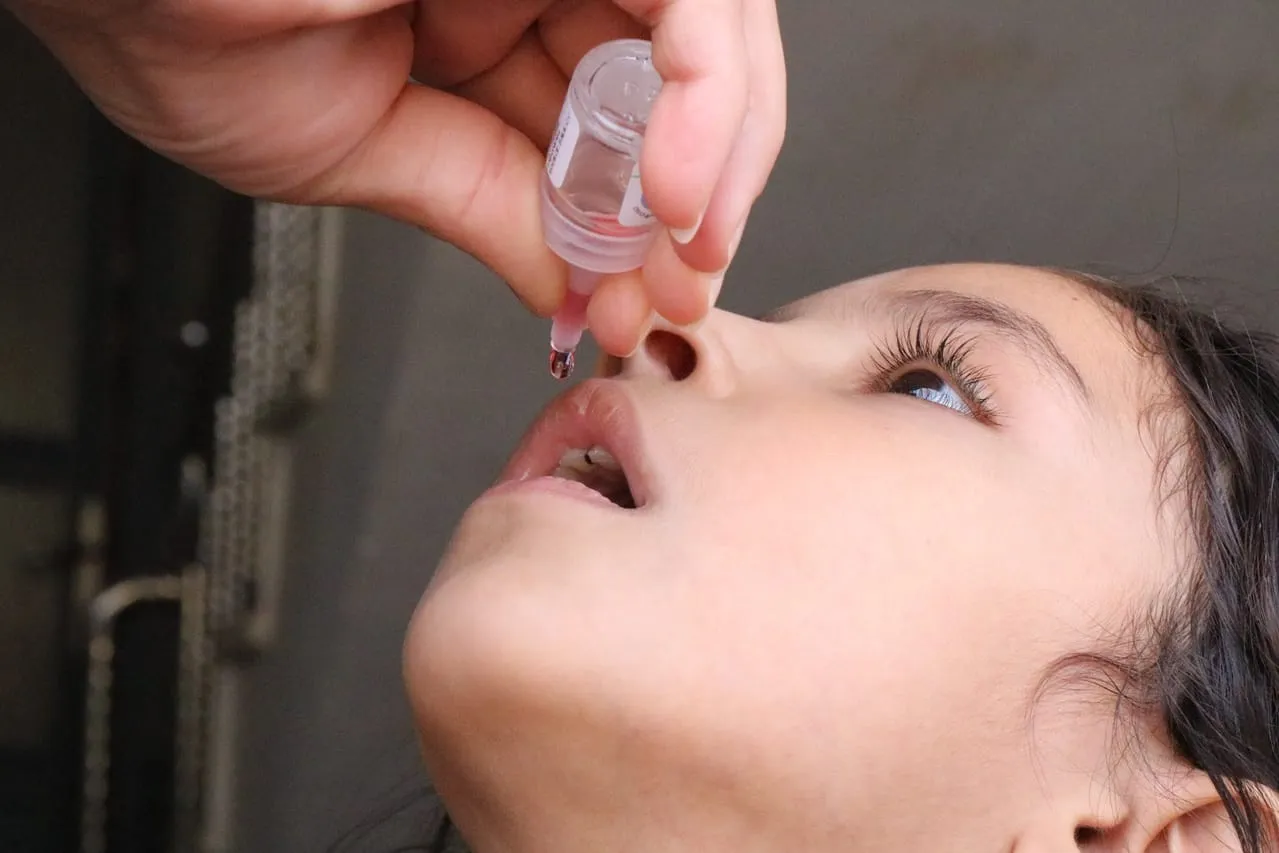
A few weeks ago, a national polio vaccination campaign was conducted, in which 1.25 million children were vaccinated in the western zone, including Herat province. The children aged 24-59 months also received Mebendazole tablets, which treats infections caused by worms.